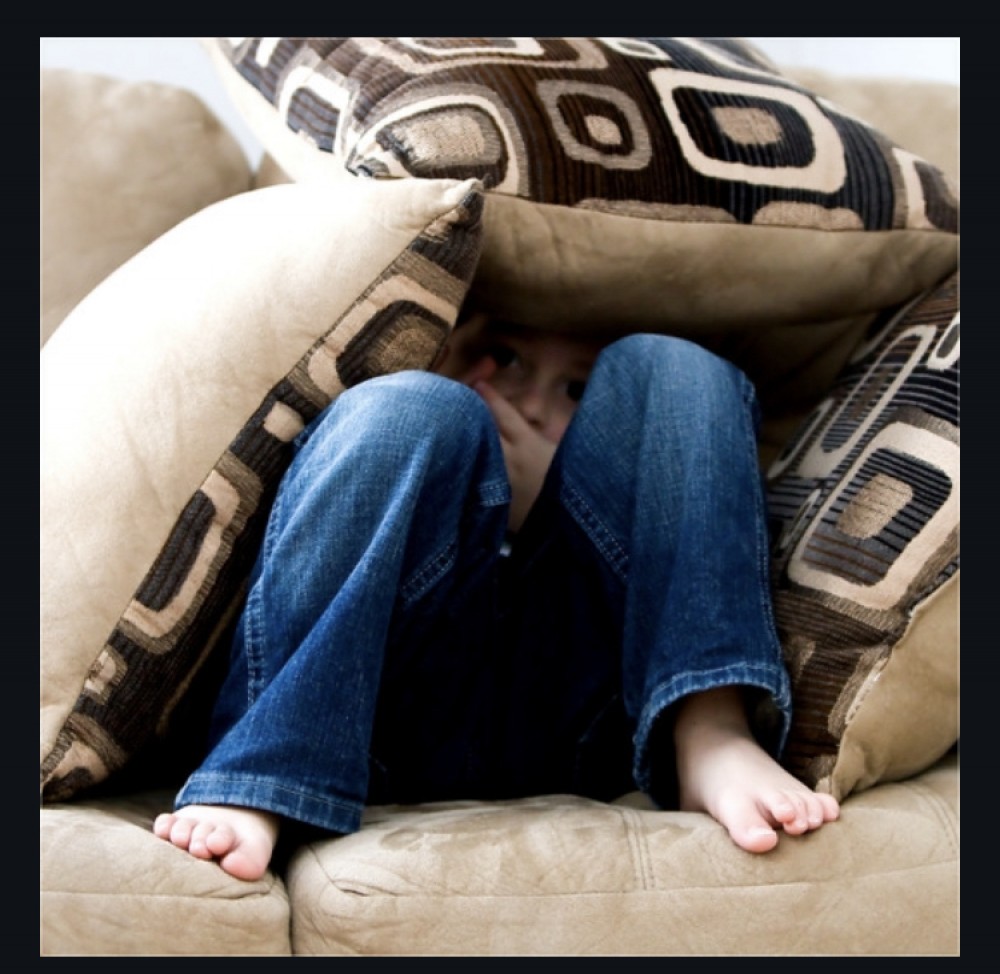
FEAR
Having just celebrated Halloween, it seemed like an apt time to broach the subject of fear. Fear is an extremely powerful emotion. It is a natural response that has a strong effect on both the mind and body with the aim of keeping us safe in dangerous situations. Unfortunately for us fear also has a habit of creeping up on us when we don’t want it too or when we are in situations that are clearly not dangerous such as a date, a party, public speaking, an informal talk with someone and so on. The fear gently creeps into our minds, which then causes physical sensations also. It’s like a vicious circle where the thought of the fear feeds the physical effects and the physical effects feed the effects on our minds; our heart rates rise, we may sweat or shake, feel nauseous and even have a dry mouth – this is our bodies way to prepare us for a fight or flight situation. Our bodies struggle to know the difference between a genuine threat or a perceived one and the result of this can cause extreme fear and anxiety.
Fear and anxiety tend to hit us when we are worried about something in particular and luckily these feelings usually leave when that moment has passed, but for some people these feelings stay and can affect our ability to sleep, concentrate, look after ourselves and even leave the house. It can all be extremely overwhelming, influencing our decisions and making us want to actively avoid the situations that cause these feelings. When we do start to purposefully avoid situations, it doesn’t take long for these behaviours to become a habit and once we are in the habit of giving in to these feelings and behaving in this way it can be really difficult to change that. Luckily there are a variety of ways to get some help and support with fear and anxiety;
In the first instance it’s a good idea to discuss how you feel with your GP to help you find the best remedy for you and to refer you to therapies such as counselling, cognitive behaviour therapy if you want to try it.
Peer support groups can be really beneficial. Hearing other people’s similar experiences can help us to acknowledge that we aren’t alone and can help us to form friendships with people who understand how we feel.
Regular exercise and being mindful of the food and drinks that we put in to our bodies can also help, for instance caffeine can cause our heart rate to rise and inadvertently put our bodies in to a state of anxiety.
Understanding that failure is inevitable and can actually help us to grow can help us to befriend fear as we let go of the fear of failing and befriend the excitement of growth.
If all of that feels a little overwhelming and you would like a bit of help to live your life for you again, why dont you check out our coaching plans. Our planners are qualified in coaching and mentoring and can help you to ease anything from problems in your personal life to becoming successful in your professional life.
Learning to manage feelings of fear can be difficult but it’s not impossible. Fear doesn’t have to stop you from living your life and can become a great motivator, helping you to be the most successful version of yourself that you can be and we are here to help you with that.