ON STOICISM
I decided to choose this fortnight’s blog topic as the COVID-19 lockdown has provided me with a lot of time to reflect on enduring unwanted and difficult situations.
Whilst we philosophers are known, reputed in fact, for revelling in self-introspection, this is usually very much on our own terms and it’d be a stretch of the imagination to say that anyone has truly indulged in this extended period of quarantine, even if it hasn’t been wholly unbearable.
Slightly better known than his 21st century namesake Anna Pascoe, Blaise Pascal was observing and pontificating upon the inability of humans to sit quietly and merrily alone in a room over 350 years ago. This Philosopher-In-Residence blog edition will look at ways of contextualising stress and solitude and engaging stoicism as a support scaffolding, rather than a necessary evil.
Pleasure and Pain
These two experiences are often described as having a fine line of separation. Stoicism doesn’t devil the detail on that front however and handily bundles both impostors into the same category; namely as factors you need not concern yourself with.
Stoicism simply counsels that if pleasure, pain and emotional responses are removed from the equation, then the endurance of hardship will become easier.
Our guest blogger, Adam Pearson, talked about a similar approach in his Controlling the Controllables feature piece a few weeks ago: https://www.makemeaplan.com/news/controlling-the-controllables/
What is Worse
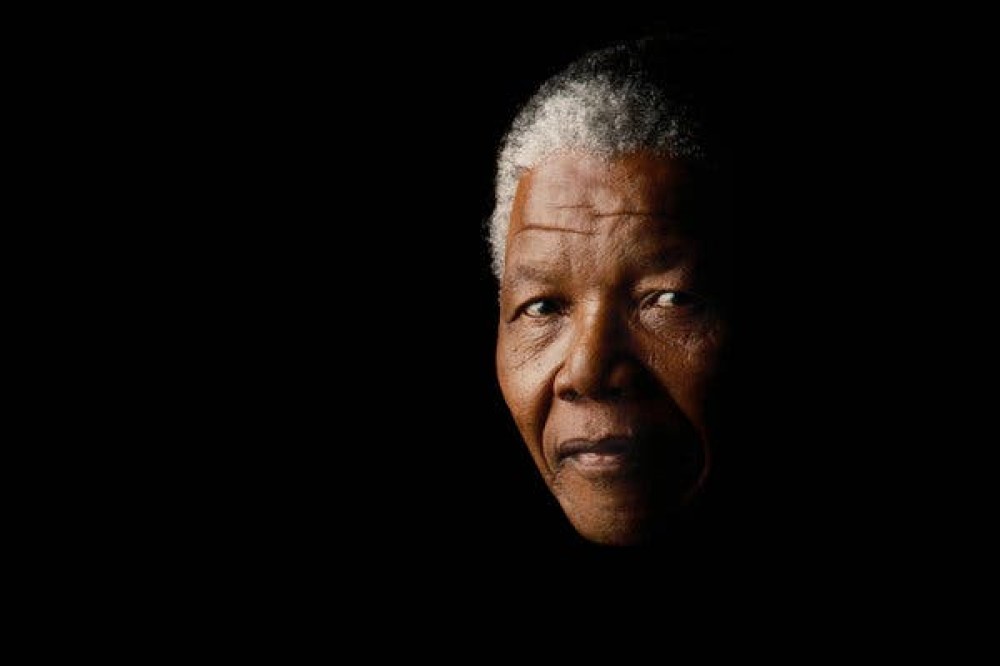
A few weeks ago, I finally plucked Nelson Mandela’s Long Walk To Freedom tome from my bookshelf and I could not recommend the volume more highly as an exemplar of scholarly stoicism.
During the weirdness of quarantine, its typical for our chimp brain to tilt us towards thinking the worst, about health and economic outcomes that have or may occur as the medium and longer-term effects of COVID-19 develop.
With a deeply deferential cap-doff to the late freedom fighter, try not to think about what could worsen from your current situation, but instead compare with situations that for many many people are worse than your own. You are not, for example, illegally imprisoned because of the colour of your skin and you are not one of the 780 million people on this earth who do not have access to clean, safe water.
Fate Provident and Fait Accompli
Further to the above advice, pensive moments about the hand COVID-19 is dealing to ourselves and our loved ones are par for the course at the moment.
Further to points 1 and 2 above, you are very much not alone in not knowing what will ultimately happen and how the landscape of life will alter. Amongst the cruel twists of fate there will also be rainbows of hope and positive progress. We have seen this already and we shall see this again.
My final musing for this week is to treat your mental energy reserves the same way you would treat financial reserves. Spend wisely and only on things you feel are helpful and worthwhile. Worrying about outcomes that are opaque to even the most dialled-in scientists and politicians is unlikely to be a prudent use of your mental monetary fund.
Our core theme blogs and daily social media updates will be focusing on socially distant teamwork and self-care during curious times – and keep your eyes peeled for some more very special invitational guest bloggers gracing these pages very soon.
Next fortnight, I’ll be musing On Vital Statistics. Please get in touch with any particular aspects of this topic you’d like me to write about.
In the meantime,
Happy Planning