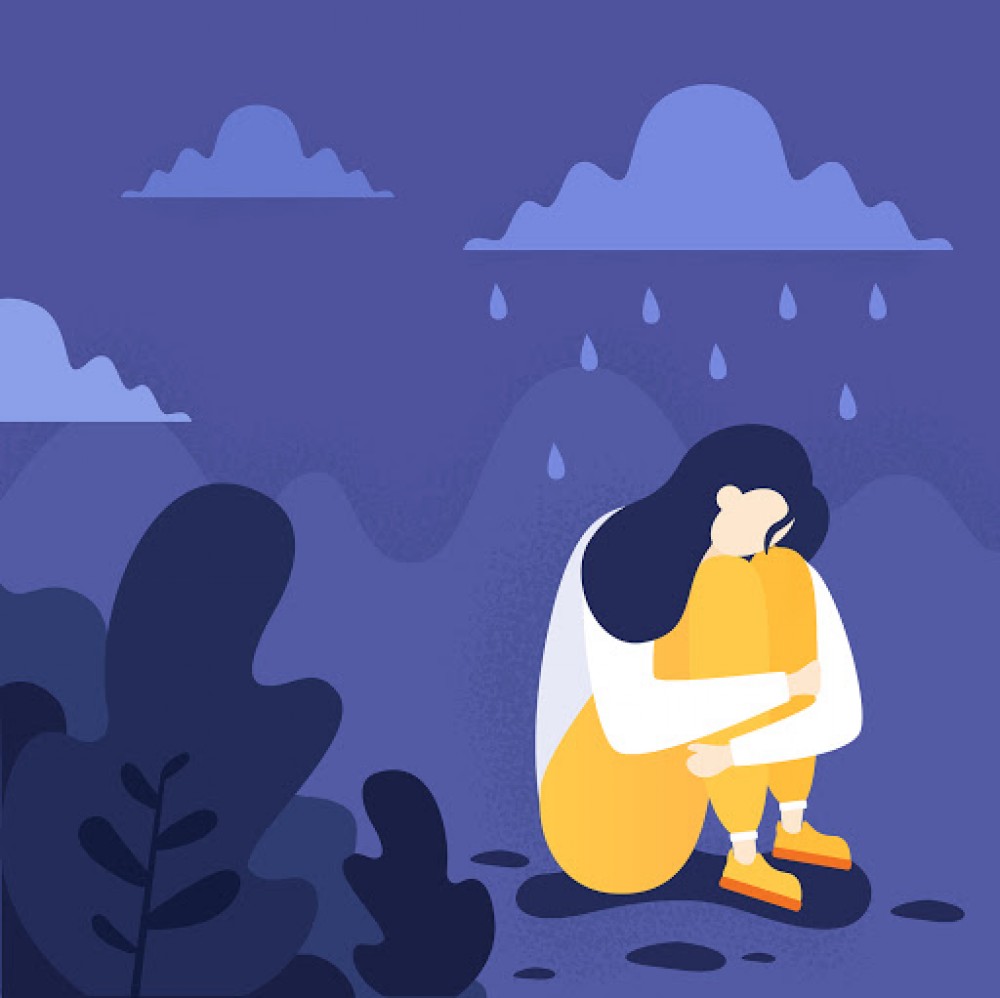
ON TRAUMA
This fortnight’s edition of the Philosopher-in-Residence blog marks my musings turning 21. Fellow pseuds will already be aware that the answer is 42 and longstanding travellers on the United Plandom highway may have even read that very first article 42 weeks ago, On Freedom https://www.makemeaplan.com/news/on-freedom/.
While we here at MMAP HQ celebrate this blog inheriting the key to the door, wider plankind is scrambling to identify what the past few months have signified, what learning and development will be taken away to shape being people post-pandemic.
More time to examine ourselves has also afforded more of our neurological airwaves accessing and pondering memories, scenarios, incidents that were previously long forgotten or neatly boxed up and sealed with very strong mental gaffer tape.
As we march towards further lockdown relaxation, if you found yourself seeking to sort through mental clutter as well as that old box of stuff in the corner of the spare room during quarantine, rest assured: you are not alone.
We’d all love to know the key, the secret to a life of eternal contentment and happiness. Fans of plans will know that I’m keen on managing expectations and so, reader, you should be advised at this interval that said key and said secret don’t form part of this fortnight’s disbursement.
The key to overcoming trauma, in my humble and hopeful opinion, I’ve concluded, is the first step along that nirvana-bound navigation.
We live in a world that has more awareness and practice of wellbeing than ever before and much of this is centred on positivity (no bad thing, just ask Head of Positivity and Promotional Planner Holly Campbell, who penned her very first blog this week, Dancing Your Way To Feeling Good https://www.makemeaplan.com/news/dance-your-way-to-feeling-good/).
Whilst I haven’t quite endured 100 years of solitude, the past few months have prompted me to reframe the way I approach dealing with traumatic experiences. The way we ask ourselves personal questions can be the catalyst to getting a grip on Project Me. So, ask yourself if you have the time or inclination to dredge up past traumas and the polite answer would be “No, thank you.” Ask yourself if you are benefiting your health by compartmentalising and blocking things that have traumatised you, and the answer is unlikely to affirm this as a great long-term strategy.
Most effective plans begin with setting out on paper what you want to achieve and identifying any barriers you’ll need to overcome (usually known as horizon scanning, in management puke-speak). To this end, I whiled away a few minutes on one sun-dappled lockdown morning, jotting down the times I identify as being traumatic in my life. Whilst they have variously cut, battered and bruised me, there weren’t that many really, in the grand scheme of things. They have been painful interludes in what has otherwise been a pretty grand adventure thus far. I’ll keep them posted as such in my mental filing cabinet and I’ll keep you posted on how I’m addressing them.
Do let this Philosopher-in-Residence know your stories about your own relationship with trauma and those occasional bum notes in the splendid symphony of life.
Next fortnight, I’ll be musing On (The) Money. Please get in touch with any particular aspects of this topic you’d like me to write about.
In the meantime,
Happy Planning