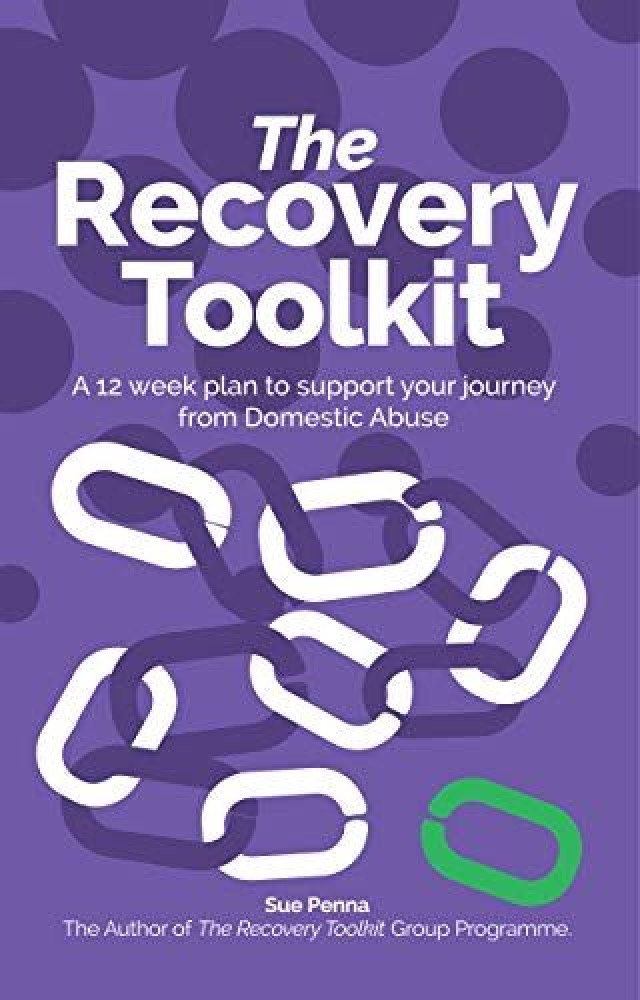
THE RECOVERY TOOLKIT by SUE PENNA
Blurb
Have you left an abusive relationship?
Are you still carrying guilt?
Would you like to understand, challenge and remove the voice of the perpetrator?
Do you still think what happened to you was your fault?
Do you find dealing with new people in your life something to be scared about?
If you’ve answered ‘yes to the above questions you are not alone. Many people who leave an abusive relationship behind are affected by that former relationship in many different ways. Perhaps you feel guilty when making decisions on your own? You may worry about what motivates others to befriend you? Maybe your children are having to re-learn who it is that’s the adult in the room now that your ex-partner has gone from their lives. If this all sounds familiar then The Recovery Toolkit is the book for you. Written in an easy and accessible style, the book will take you on a journey that is part discovery, part guide.
Background
I have been following Jennifer Gilmour on Twitter for some time, she is a public speaker, author and advocate for women in abusive relationships and as someone who has experience of abusive relationships myself her work both intrigues and inspires me. It is through Jennifer that I became aware of the great work that Sue Penna and her organisation Rock Pool Life do. I first became aware of Rock Pool Life CIC when they sponsored #AbuseTalk – the online Twitter community hosted by Jennifer on a Wednesday evening between 8-9pm for survivors of abuse to discuss aspects of the trauma they have suffered and gain support from their peers. Rock Pool Life CIC provides training and consultancy services for organisations that support people who have been affected by trauma.
When Sue Penna, the Creative Director from Rock Pool wrote The Recovery Toolkit, I knew immediately that I needed to read it, and the chance to blog about it and let others know about the book was too good an opportunity to pass up.
Review
The Recovery Toolkit was based on the 12-week group programme of the same name and the author, Sue, has over 20 years of experience working with the NHS’s mental health services as well as having specialised experience in domestic and childhood abuse. The Recovery Toolkit has been written to empower those who have left an abusive relationship and are still carrying a variety of emotions about what happened. The blurb on the back of the book asks:
“Are you still carrying guilt? Do you still think what happened to you was your fault? Do you find dealing with new people in your life something to be scared about?”
These are issues that many of us face once we have left an abusive relationship - and struggle to get past. Although the programme has been written primarily for survivors of domestic abuse the book is a great resource for those who work with victims of domestic abuse, giving them a valuable insight into what someone may have gone through and in turn, helping them to support those individuals through a trauma based recovery approach.
As soon as you begin the book there are warnings about not starting the programme or reading the book if you are still in an abusive relationship. As someone who had been in an abusive relationship and feels well educated on the subject, to see this warning in print still came as a shock to me. I like to think I am a strong, independent woman who has now been out of an abusive relationship with no contact for a good number of years but seeing that warning confirmed to me all over again, the seriousness of the situation. It may sound strange but although I had educated myself and thought that I was in a good place, I have found that as time goes by it is very easy to become complacent over what has happened and as the years had gone by I had almost accepted some of the blame for the guilt and shame that I carry. It takes a conscious effort daily to continue to make the decisions that I feel are right and to still be aware of the effects that the abuse, despite being historic, had on me. This book, would be great to revisit occasionally as a way of reminding yourself of those old habits and ensuring that you stay on track in your recovery process.
Sue advises you to read the book in sections. One section a week; this is to ensure that you don’t rush the process and that you take the time and the opportunity to really understand what is being said in each chapter. At the end of each chapter there are exercises and/or worksheets to complete as well as a thought diary to help you keep track of your thoughts and feelings each week, these are integral to helping you on your self-discovery journey.
I am only 3 weeks in to the book myself and although I am bound by time to write this blog about The Recovery Toolkit, I am also taking my time to work through it as the instructions state and I would advise that to get the most out of the book, follow the advice, take the time to read the sections weekly, invest in yourself and fully immerse yourself in the process.
Trauma can take a long time to heal from, I am 10 years away from my abusive relationship and I feel that this book is still very beneficial to me after all of this time, helping me to fully understand the traumas that I have faced as well as the behaviours and habits that I have formed. I am looking forward to the coming weeks knowing that I am taking the time to focus on my own recovery and moving forward.
Thank you Sue.
Win a Signed Copy
You can purchase The Recovery Toolkit on Amazon or just click the link below and register your details for a chance to win a signed copy of The Recovery Toolkit:-
Click here to Win a signed copy of The Recovery Toolkit