WORKING WELL FOR WOMEN IN BUSINESS
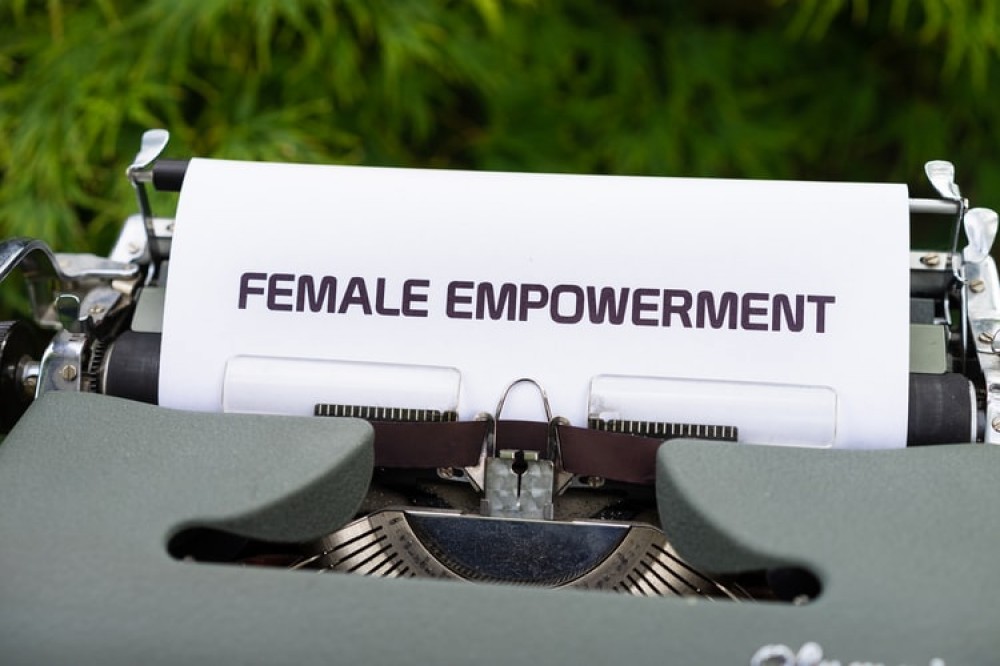
Monday 8 March was International Women’s Day, an annual event with this year’s theme being ‘Choose to Challenge.’
We need to be confident in feeling like we can challenge behaviours and attitudes in our work places that seem to be bias, be that towards women, or any of the protected characteristics set out in law. Everyone has an unconscious bias and if we are not picked up on this by others’ sense checking us and our work, then how are we going to progress as an inclusive work place?
Working well for women means taking time to understand what your female workforce need from their roles and what would enable them to thrive in your business. Here are a few areas that you might like to consider.
Working flexibly
Organisations need to be clear about career progression and letting all employees know about the options they have. Leaders need to work with their human resources, training and communication teams to make sure that there is a programme of information available to all employees. If you want to get the best out of your teams, make sure they know you are willing to invest in them.
Studies show that women 4 in 10 women feel nervous about the impact starting a family might have on their career; there is a perceived notion of a penalty for motherhood and flexible working. There is a feeling that this can be a barrier to career progression and in this day and age it really shouldn’t be.
Helping employees with their work/life balance is critical. Having a flexible working policy is a great start and looking into individuals’ needs to help support them will mean you get the best out of them at work. Flexible working can involve being able to work from home when needed, or perhaps compressed hours to allow for school pick-ups. Bear in mind that some of these arrangements may only be temporary to relieve some pressure, so make sure you and the employee understand the arrangement that has been set and review this in your one to one meetings to make sure it is still the right approach from them.
Training for Managers
Good managers know that there is no one-size-fits-all for their team members and they need to tune themselves to different approaches to motivate different members of their team. It is also important for managers to understand why female members of their team may need different approaches. One example of this is menopause.
It’s great that society is starting to come round to treating employees as individuals and as such, there are an array of training courses out there to help managers and senior leaders. One that I think is long needed is menopause awareness training. This is becoming more common on the list of training courses for line managers in various organisations and rightfully so too. Women should not feel that this is a stigma and by getting more males (as well as females) to understand what impact this may have on an employee in the workplace will help to build a stronger and more inclusive working environment. By choosing to challenge and not sweeping this stage in almost every woman’s life under the carpet, we can make 50% of our workforce feel more comfortable and understood during this time in their life.
Looking at the make-up of your workforce
What does your workforce look like? Where are the women in your workplace? Are women represented at every level throughout your workplace or are there any noticeable gaps? If you have any noticeable gaps, ask yourself why. Maybe it’s in the recruitment process – think about where your jobs are being advertised and also about the language you are using in the advert. Does it potentially alienate qualified women from even applying? By looking and challenging at every stage of the recruitment process you may be able to identify why you have a gender imbalance in your workforce.
Gender pay gap
All organisations in the UK with over 250 employees need to produce and publish a gender pay gap report. The report is not only useful for determining what is going on in pay gaps for your organisation, but it is an opportunity for the organisation to address these issues and publish an action plan. By being open and transparent on this subject, employees and potential employees will be able to see that your organisation is looking to do right thing for gender equality.
Choosing to challenge is powerful and we need to respect anyone that will speak up against something they see as not right. Make sure that you and your team have these conversations at work – only by being open and honest can we start to redress any imbalances.